
Quality education depends on more than what happens inside the classroom. Behind every well-run school is a workforce that needs to stay organised, informed and supported.
A school may have an effective class timetable, experienced teachers and strong academic programmes, but keeping everything running smoothly requires much more behind the scenes.
Teachers and support staff need clear rotas. Administrators need accurate attendance and leave records. Department heads need to know where their teams stand, while important announcements need to reach the right people at the right time.
As the number of employees, departments and daily responsibilities increases, managing these moving parts becomes harder.
For smaller institutions, spreadsheets, WhatsApp groups and separate records may work well enough. But as operations expand, information can become scattered across too many places, making simple tasks surprisingly time-consuming.
Where School Operations Start to Get Complicated:
-
When Staff Scheduling Becomes a Daily Challenge
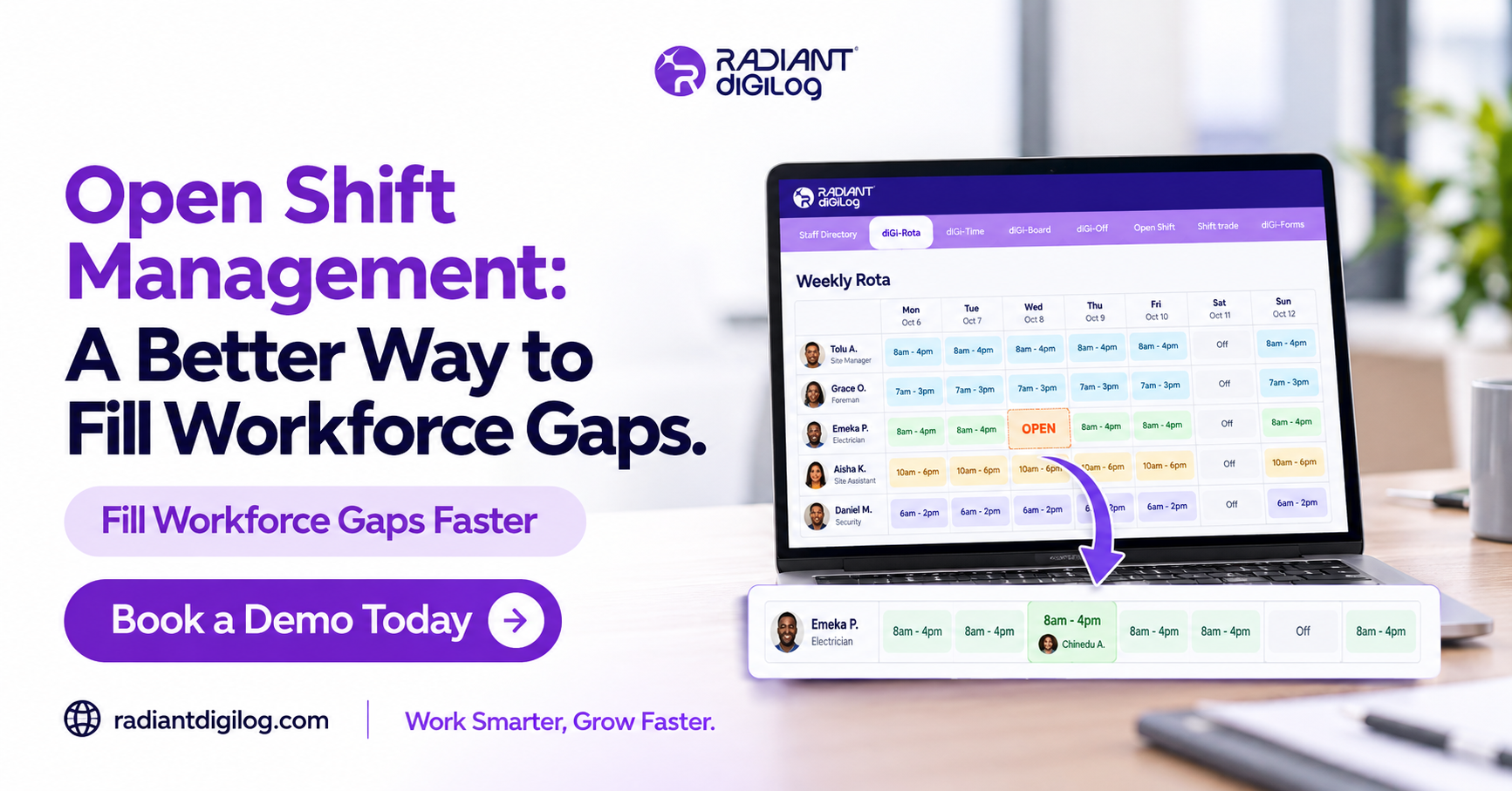
Staff rotas are rarely static.
A teacher may be absent. A support worker may need to swap a shift. A department may suddenly require additional coverage. Each change can have a knock-on effect on other people and responsibilities.
When schedules are managed through spreadsheets or messages, administrators can spend valuable time checking who is available, updating records and communicating changes.
A more organised approach makes it easier to see who is working, where they are needed and what needs to change.
-
Attendance Tells Only Part of the Story
Knowing whether someone was present is useful. Understanding how attendance affects the wider workforce is even more valuable.
An absence can leave a department short-staffed, require a rota adjustment or place additional pressure on other employees. The same applies to annual leave and other planned absences.
When this information is kept in separate places, getting a complete picture can require unnecessary back-and-forth.
Bringing these records together gives administrators greater visibility and makes it easier to respond when circumstances change.
-
Communication Matters Beyond the Classroom
Not every important school announcement is about students.
A room change, staff meeting, timetable adjustment, policy update or departmental notice can affect several teams at once. Larger events such as examinations, open days and graduation can create even more coordination demands.
If updates are spread across multiple WhatsApp groups, emails and noticeboards, there is always a possibility that someone misses an important message.
The goal isn’t simply to send more messages. It is to make communication easier to manage and more reliable.
-
Reporting Shouldn’t Become a Reconstruction Exercise
The pressure often becomes most obvious when reports are due.
Attendance records, leave information and staff updates may have been collected throughout the term, but if they sit in different places, administrators may have to piece everything together manually.
That takes time and creates room for inconsistencies.
A centralised view of workforce activity can make it easier for school leaders to understand what is happening across departments and make informed decisions.
A Better Way to Manage School Staff
None of this means that familiar tools such as spreadsheets and messaging apps are inherently bad. They are accessible, inexpensive and often useful.
The challenge comes when the organisation grows beyond what those tools can comfortably support.
This is where a connected workforce management approach can make a difference. By bringing staff information, attendance, communication and operational visibility into one environment, Radiant diGiLog helps reduce the gaps between the different parts of daily administration.
Instead of constantly searching for information, checking different records or asking several people for updates, leaders can work from a clearer picture of what is happening across their workforce.
And when the people behind the school are better coordinated, there is more room to focus on what matters most: creating an environment where teachers can perform, staff can work effectively and students can receive quality education.
Better organised operations don’t replace good education. They help create the conditions for it.
See diGiLog in action.