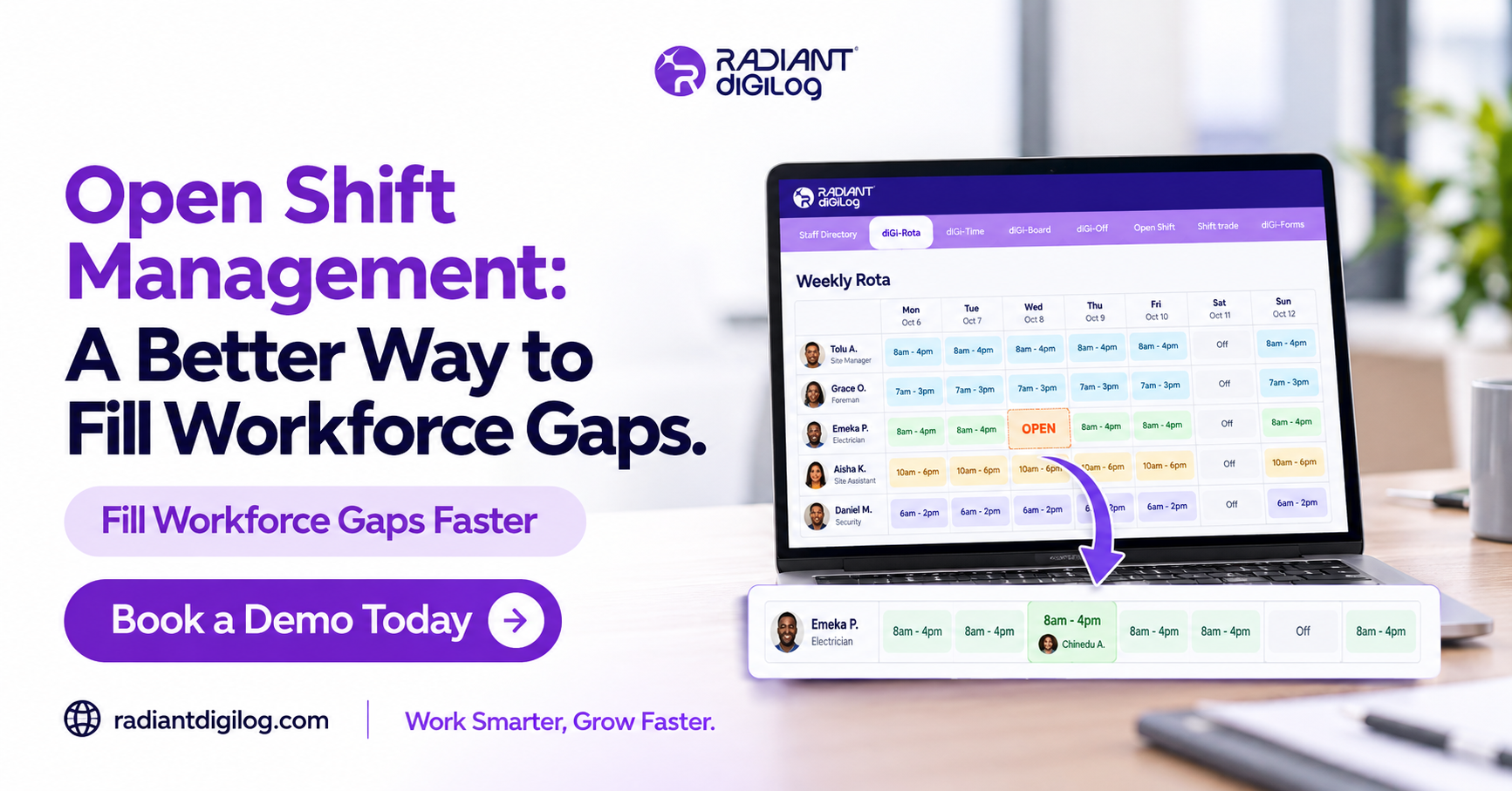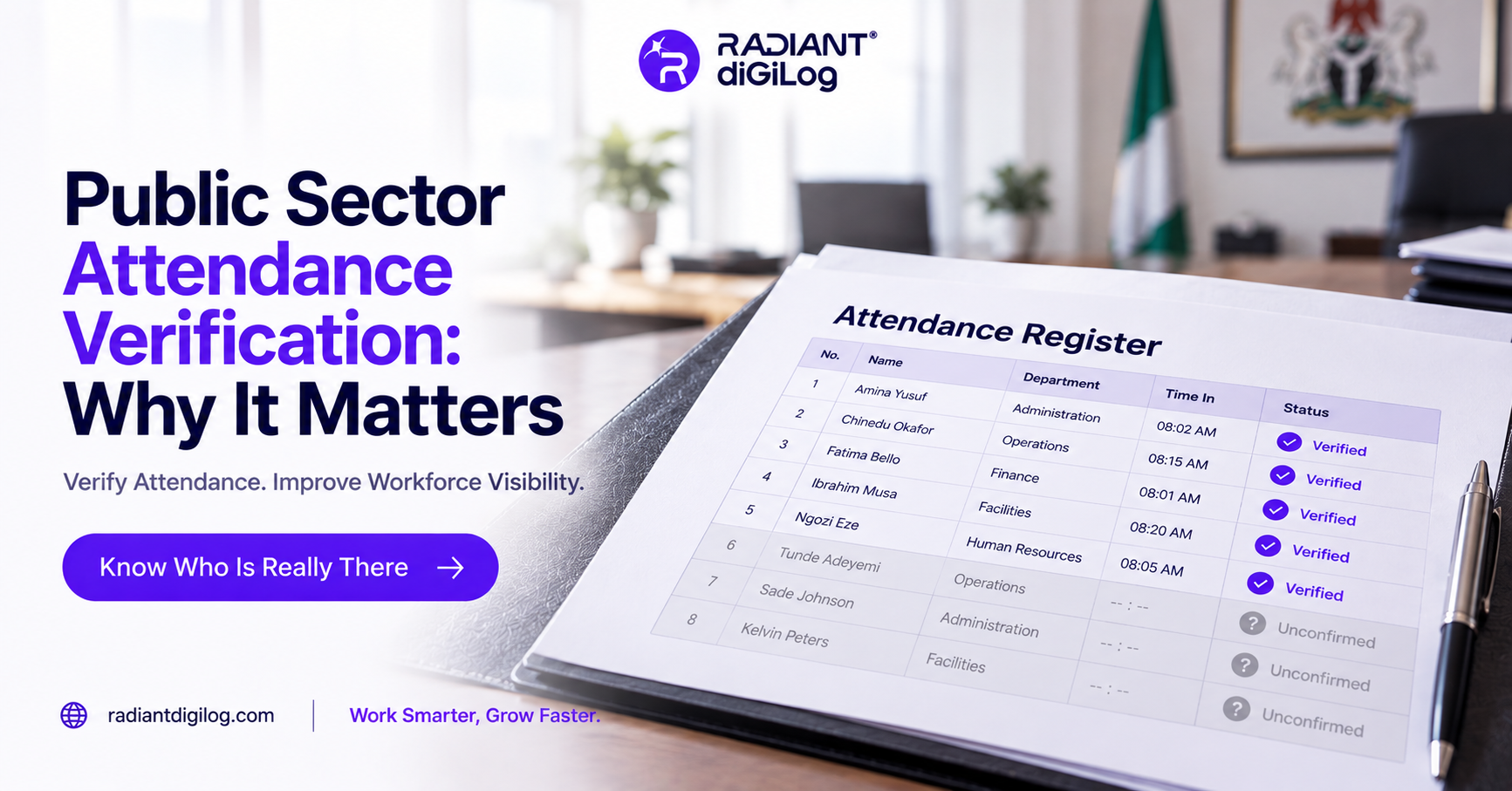

A rota should do more than fill shift slots. Before publishing one, managers need to know that the right people are available, coverage is balanced, and the schedule can adapt when plans change.
Publishing a staff rota can feel straightforward: assign names to shifts, make sure every slot is filled, and send it out.
But a complete rota is not necessarily a workable one.
A shift may be assigned to someone who is on leave. One location may have plenty of staff while another is short on experienced workers. A last-minute absence can also leave managers scrambling to find a replacement.
Research into shift-based workplaces in Nigeria has linked rigid scheduling practices and limited employee input with higher stress, lower satisfaction and weaker retention. That makes thoughtful scheduling more than an administrative task.
Before The Next Rota Goes Out, These Five Questions Are Worth Answering:
-
Does Everyone Know Their Shift in Good Time?
Publishing a rota the night before a shift gives employees very little time to spot a conflict, raise an availability issue or request a change.
Giving staff more notice creates room to resolve problems before they affect operations.
A well-planned schedule should not leave employees discovering their shifts at the last minute.
-
Have Leave and Availability Been Checked?
A rota built using outdated availability can create problems before the first shift even begins.
Approved leave, current availability and existing commitments should be checked before shifts are assigned. What looks like a staffing problem on publishing day may have been an avoidable conflict several days earlier.
A simple availability check can prevent unnecessary changes later.
-
Is Coverage Balanced, Not Just Filled?
Every shift being occupied does not automatically mean a location is properly staffed.
One site could have enough employees on paper while lacking experienced staff. Another could have more people than it actually needs.
Managers should look beyond the number of filled slots and consider whether each department, location or shift has the right level of coverage.
Filled is not the same as covered.
-
What Happens When Someone Needs a Last-Minute Swap?
Even a carefully prepared rota will sometimes need to change.
An employee may become unavailable or need to exchange a shift with a colleague. The important question is whether there is a clear process for handling that change.
Without one, managers can end up spending valuable time calling employees individually to find a replacement.
A straightforward swap process keeps a small scheduling change from becoming a larger operational problem.
-
Will the Published Rota Reflect What Is Actually Worked?
A rota can quickly become outdated after it is published.
If employees swap shifts or managers make changes but the original schedule remains untouched, the rota and the actual work being carried out begin to tell two different stories.
Keeping the schedule updated means managers can rely on it for planning, payroll and accountability later.
A Rota Should Reflect the Reality of Your Workforce
Good scheduling is not simply about filling every available slot. It is about making sure managers have the information they need to create a workable schedule and respond when circumstances change.
A connected scheduling system can bring staff availability, leave, shift changes and coverage into one place. This makes it easier to build a rota that reflects both planned staffing and what is actually happening across different locations.
For teams managing shifts across departments or multiple sites, that visibility can make scheduling easier to coordinate and more reliable to manage.